Power to the people: how Pakistan’s rooftop solar rush could be one of the fastest energy transitions on Earth
In the space of two years, Pakistani households, farmers and factory owners installed more solar capacity than every coal, gas and oil power station the country has ever built.
Posted on 29 October 2026
In the space of two years, Pakistani households, farmers and factory owners installed more solar capacity than every coal, gas and oil power station the country has ever built. Faced with soaring bills, daily blackouts and a flood of cheap Chinese panels, millions of people simply took the energy transition into their own hands, and in doing so turned a struggling grid into a live experiment in what happens when clean power arrives from the bottom up without any centralised planning.
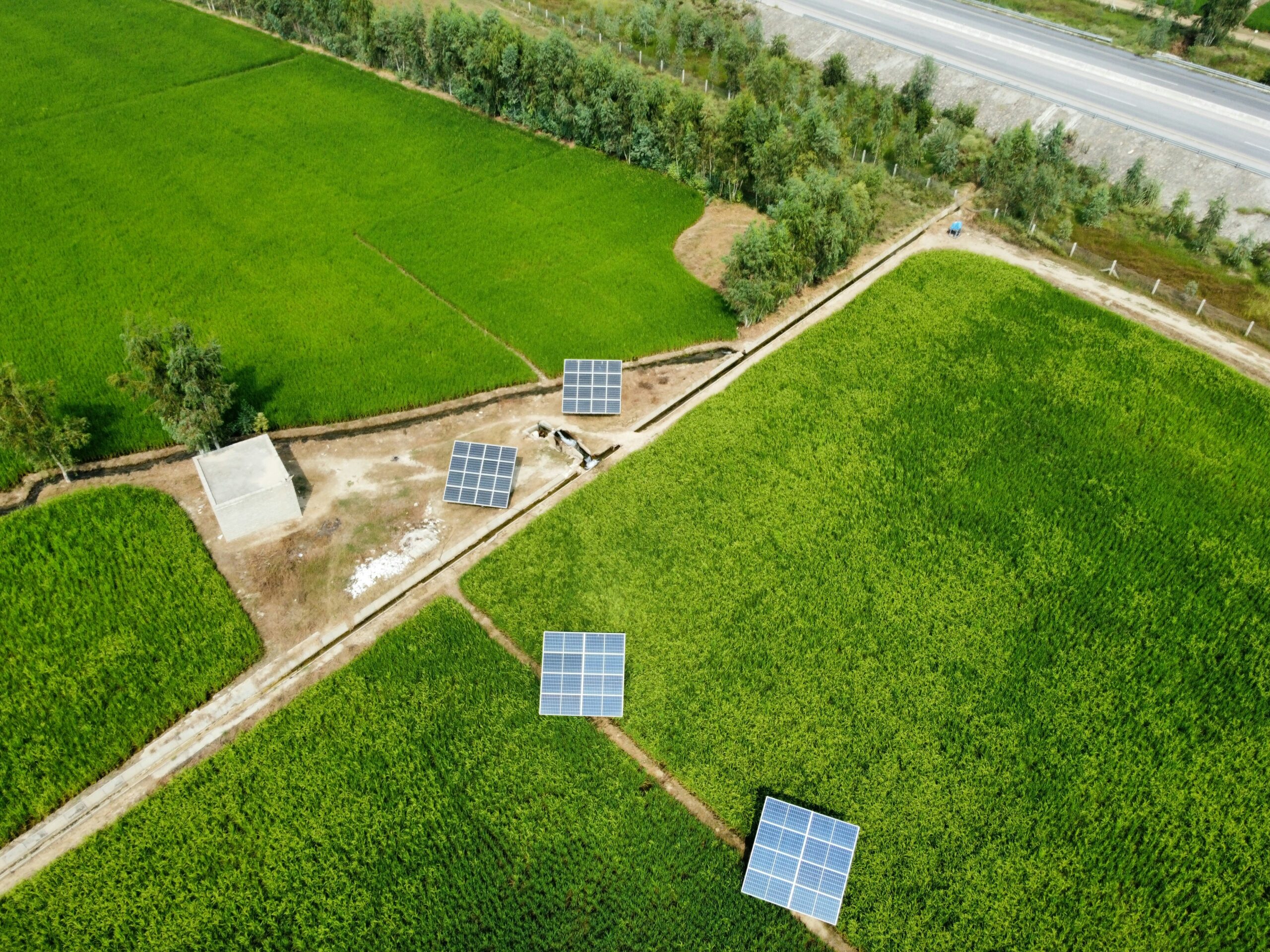
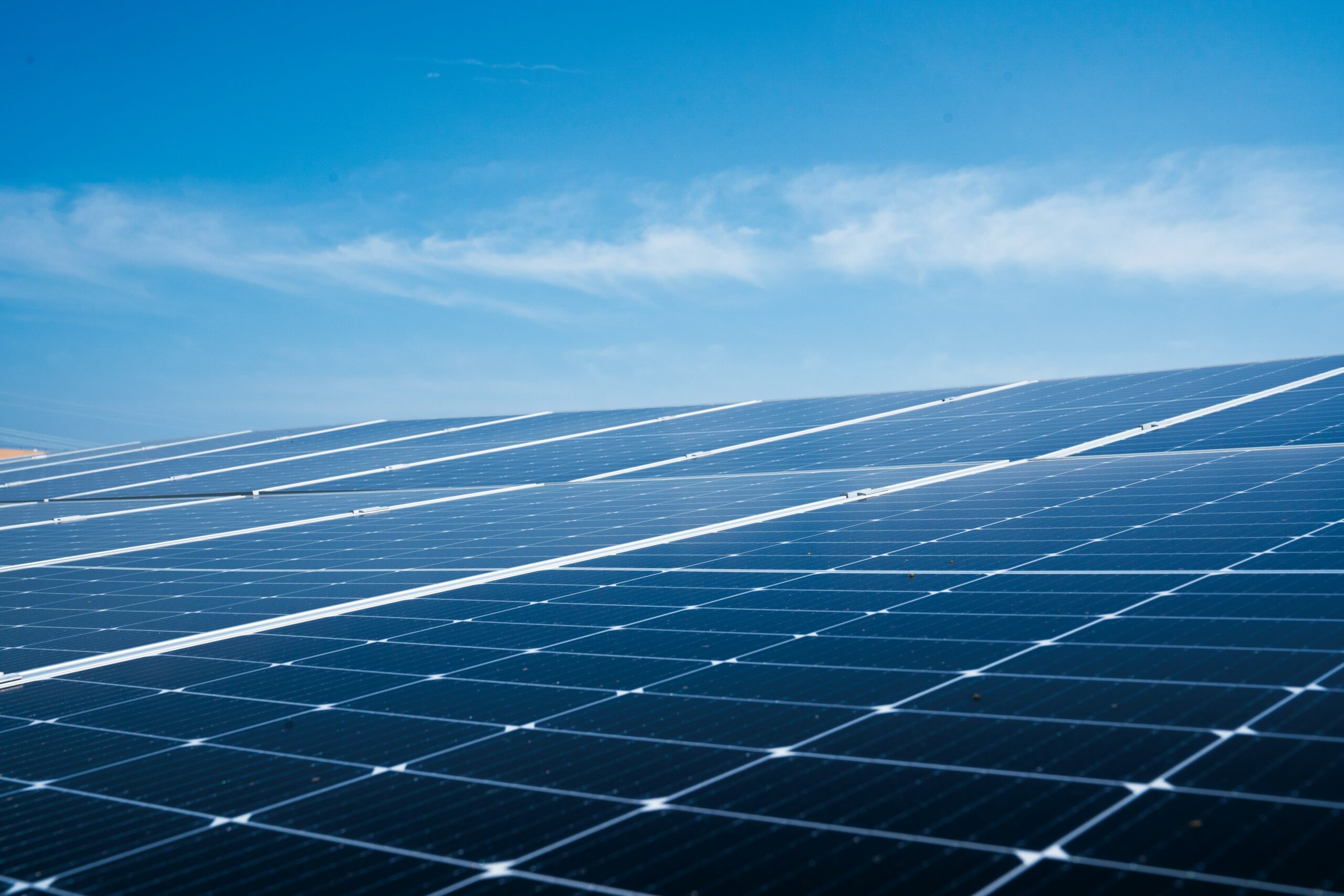
Drive through the outskirts of Lahore, Karachi or Peshawar today and the rooftops tell a story of rapid transition. Blue-black panels are bolted to the roofs of apartment blocks, mosques, petrol stations and market stalls, glistening in the sun. In the Punjab countryside they stand in rows beside irrigation channels, powering tube wells that until recently ran on diesel. Pakistan is not a rich country, with a gross domestic product (GDP) per capita of $1,901 for 2026, and it has no domestic solar industry to speak of. Yet by June 2025 it had accumulated an estimated 38 gigawatts (GW) of distributed solar, 27 GW of it installed in just two years, according to analysis by the energy think tank Ember and Islamabad-based Renewables First. That two-year surge alone matches the capacity of the country’s entire fossil-fuelled power fleet.
Fossil fuel price shocks can be tipping points. Electricity tariffs rising by around 155 per cent in three years due to fossil fuel price spikes, alongside a collapse in the cost of Chinese panels, turned solar from a middle-class luxury into the obvious choice for anyone with a roof and some savings.
Fossil fuel importers are vulnerable to bigger bidders. In 2022, Pakistan was spending billions each month importing Liquefied Natural Gas (LNG) for its power generation. In the wake of Russia’s invasion of Ukraine in 2022, which accelerated energy security concerns amongst governments, LNG shipments destined for Pakistan were diverted to higher bidders in Europe, leaving the country experiencing blackouts and economic turmoil. The rapid deployment of solar is estimated to have saved $12 billion in LNG imports between 2022 and 2026 and will save an additional $7 billion by the end of this year (though there are still concerns over Pakistan’s obligations under its long-term import contracts).
Transition from below can outrun the state. Pakistan’s solar boom was driven by households, farmers and small businesses acting on their own account, supported by informal supply chains and self-taught installers rather than a top-down national programme. This shows what is possible, but it also leaves governments scrambling to manage the consequences for the grid as part of a rapid and bottom-up transition.
Who pays for the old system matters as much as who builds the new one. As electricity consumers that can afford rooftop solar and batteries leave the grid, the fixed costs of legacy power stations and transmission infrastructure falls on fewer, poorer people. The Pakistani case is a live warning that a rapid transition needs a plan for stranded costs and for equity and justice. Otherwise it risks generating a political backlash of its own that could undermine further progress on decarbonisation.
The Big Picture
For most of the past decade, Pakistan’s power system was in crisis for reasons that had nothing to do with climate. In the 2010s the government signed a series of long-term contracts with independent power producers (IPP), many of them coal- and gas-fired plants built under the China-Pakistan Economic Corridor, that guaranteed “capacity payments” whether or not the electricity was used. When the rupee fell and global fuel prices spiked after Russia’s invasion of Ukraine in 2022, the cost of those contracts ballooned. The sector’s accumulated “circular debt” reached 5.42 trillion rupees (around $19.43 billion), with capacity payments to independent producers alone amounting to around 2 trillion rupees (over $7 billion). Under pressure from the International Monetary Fund (IMF) to remove subsidies, the government passed those costs on to consumers. Between 2021 and 2025, the rupee lost about three-quarters of its value against the dollar and electricity tariffs rose by close to 140 per cent, making it unaffordable for millions of citizens.
Sabeer Darr via Unsplash
Meanwhile the grid itself was failing to deliver. Rolling blackouts, known locally as load shedding, ran to fourteen hours or more a day in some areas during the summer heat, and around 40 million Pakistanis had no grid connection at all. Households were paying more for less, at exactly the moment that the price of a solar panel was going through the floor. Chinese manufacturing overcapacity meant that module prices fell roughly fivefold between 2022 and 2024. Crucially, Pakistan did not tax those imports, making solar equipment exempt from customs duties and sales tax until mid-2025.
The solar boom became irresistible. Ember estimates that a household solar-and-battery system in Pakistan now delivers electricity at around 20 rupees per kilowatt-hour, compared with roughly 40 rupees for grid power and 120 rupees for a diesel generator. Faced with that gap, some seven million households – nearly one in five across the country – have installed panels, with an average system size of about 2.4 kilowatts, or five or six panels. Notably, rural households make up 73 per cent of solar owners, a higher share than their proportion of the population, reflecting the fact that those with the least reliable grid service and low energy access had the most to gain from the solar boom.
The effects have rippled through the entire Pakistani energy system. National electricity demand rose 21 per cent between 2023 and 2025, and every unit of that growth was met by distributed solar. Generation from the grid actually fell by 3 per cent. Coal plants built only a few years ago are running at less than 20 per cent of capacity, gas plants at around 15 per cent. Ember calculates that solar has already avoided more than $12 billion in fossil fuel imports, in a country whose total fossil fuel import bill in 2025 was around $15.5 billion. Pakistan’s share of energy delivered as electricity has jumped nearly five percentage points in two years to 21.7%, almost at the global average of 22%. This is a rate of electrification that most industrialised economies would struggle to match. In the USA and across Europe, the share of energy delivered as electricity has been stuck at around 20% since 2008.
Context and Background
Pakistan has been here before, but in a much smaller way. In the early 2010s, chronic blackouts drove a wave of small diesel generators and uninterruptible power supplies into homes and shops, an earlier, dirtier form of self-reliance in the face of a grid that could not be trusted or relied upon. Net metering, introduced by the regulator NEPRA in 2015, allowed households to sell surplus solar power back to the grid at the retail rate, but for years uptake was modest: by the 2020 financial year, net-metered capacity stood at just 190 megawatts.
What changed was the coincidence of three shocks. The first was the fuel price spike and rupee collapse of 2022–23, which fed straight through into electricity tariffs. The second was the IMF programme that required the removal of electricity and diesel subsidies, pushing the true cost of power onto consumers and farmers, with devastating effects. The third was the global glut of Chinese panels. When these arrived simultaneously, net-metered capacity went from under 1 GW in 2023 to 4.9 GW by March 2025 and nearly 7 GW by mid-2026. And the net-metered systems are only the visible tip: most of Pakistan’s solar is off-grid or behind the meter, invisible to official statistics. Renewables First’s survey of 5,300 households and businesses and satellite analysis by TransitionZero both point to a total in the high twenties or low thirties of gigawatts at the very least.
The agricultural story is perhaps the most striking. Pakistan’s farmers rely on roughly 1.5 to 2 million tube wells to pump irrigation water, and until recently around 80 per cent of them ran on diesel. Between 2022 and 2025 the share of tube wells running on solar went from close to zero to 61 per cent, while the number of diesel wells fell from 1.2 million to under half a million. That single shift is displacing an estimated 1.9 billion litres of diesel each and every year. The total number of wells has also grown by 16 per cent, which points to both the benefit of cheap pumping for food production and a looming risk for groundwater.
Soren H via Unsplash
Enabling Conditions
A price signal too loud to ignore
As followers of the Rapid Transition Alliance will know, rapid transitions often involve some combination of a push and a pull. In Pakistan, the push was brutal: tariff rises of well over 100 per cent, unreliable supply and a domestic currency in freefall. The pull was a technology whose cost had fallen by around 60 per cent in a few years and which, uniquely, could be bought by an individual household without waiting for anyone else. A government that had chosen not to tax panel imports, whether by design or by oversight, removed the last barrier. As Muhammad Mustafa Amjad of Renewables First noted, the boom was driven by economics rather than climate concern, and “the people who benefit the most are the ones not connected or who had less reliable service”.
Informal markets and self-taught installers
Pakistan has no large solar manufacturers and only a thin layer of formal installation companies. The boom was carried instead by a dense web of importers, wholesalers, electricians and small traders who learned the business as they went. The World Resources Institute’s account highlights “informal supply chains and self-taught entrepreneurs” as one of the key enablers. This is a familiar pattern from earlier rapid transitions, including the spread of mobile money in East Africa, where a technology simple enough to be sold and serviced by ordinary traders spreads far faster than one that depends on formal institutions. It also means quality is uneven and, as Ember’s analysis notes, well-maintained systems achieve capacity factors of up to 20 per cent while the average sits nearer 17 per cent.
Net metering as an early accelerator (but with limits)
For those with a grid connection, net metering turned a roof into a small business, crediting exported power at the full retail rate. It rewarded early adopters handsomely, but as the numbers grew it began to shift costs onto everyone else. The Power Division estimates net metering cost the system 101 billion rupees in lost revenue in the 2024 financial year alone. In February 2026 NEPRA’s Prosumer Regulations replaced net metering for new customers with “net billing”, under which exported units are bought at a much lower reference price, reportedly around 11 rupees against a retail tariff of up to 50. The 2025-26 budget proposed an 18 per cent sales tax on imported panels, later reduced to 10 per cent. Neither measure has stopped the boom, which is now increasingly about batteries. Amjad predicts that “this solar rush is going to be followed by a battery rush”, and Pakistan imported 1.25 gigawatt-hours of lithium-ion batteries in 2024 alone.
The risks of a transition from below
Speed is not the same as justice. The central danger in the case of Pakistan is what economists call the utility death spiral. Grid demand has been falling by 4 to 5 per cent a year while the fixed costs of the power fleet, and the capacity payments owed to its owners, remain. Those costs are shared among a shrinking pool of customers, disproportionately the poorer households who cannot afford panels or do not own their roofs. Higher tariffs for them make solar even more attractive for those who can afford it, and the cycle repeats. Around 40 million people still have no grid connection to leave.
The Pakistani government has been left managing a transition it did not initiate, and its responses, from the panel tax to net billing, have understandably been read by many as an attempt to slow things down. The better lesson, drawn by analysts in both Islamabad and abroad, is that the state’s job now is to catch up rather than to brake – to build grid-scale storage and flexibility, to renegotiate the take-or-pay contracts that saddle the system with the cost of idle fossil fuel plants, and to design subsidised loans so that poorer households can join the boom rather than be billed for it. The 2026 oil price shock that followed the war on Iran, which sent Pakistani petrol prices up by nearly a fifth in a matter of weeks, only underlined how much the country has already gained from having 38 GW of fossil fuel-free power on its rooftops.
What Pakistan shows, in the end, is that the energy transition does not have to wait for rich countries, international finance or a perfectly designed national plan. Given a cheap enough technology and a bad enough status quo, people will do it themselves, at a pace that would have seemed fantastical a few years ago. The task for governments is to be ready when they do; and catch up.